
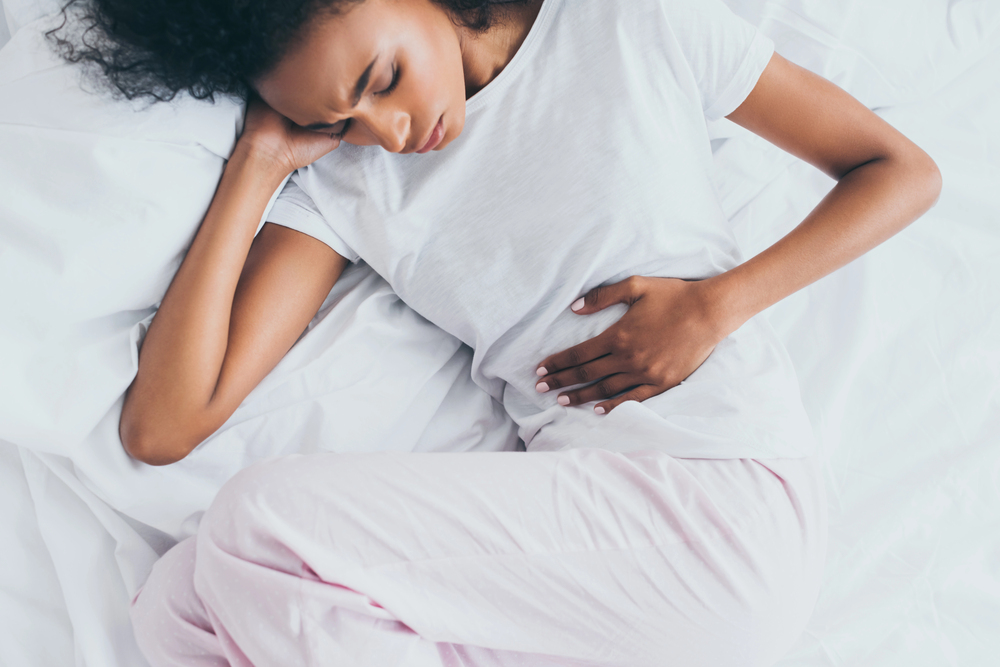
Endometriosis Awareness Month is a global initiative dedicated to increasing understanding of a chronic and often misunderstood condition that affects millions of people worldwide. In Canada alone, approximately 1 in 10 women and people assigned female at birth — an estimated one million Canadians — live with endometriosis. Despite its prevalence, the condition remains underdiagnosed, under-researched, and frequently dismissed. Awareness is critical to reducing diagnostic delays, improving care, and advocating for meaningful research and support.
What Is Endometriosis?
Endometriosis is a chronic inflammatory condition where tissue similar to the lining of the uterus grows outside the uterus. This tissue can be found on the ovaries, fallopian tubes, bowel, bladder, pelvic ligaments, and in some cases beyond the pelvis. Because this tissue responds to hormonal changes but has no way to exit the body, it can lead to inflammation, scarring, adhesions, and persistent pain.
Endometriosis presents differently in each individual. Some experience severe, debilitating symptoms, while others have milder or less obvious signs, which can make diagnosis complex and inconsistent.
A Long and Frustrating Path to Diagnosis
One of the most challenging aspects of endometriosis is the significant delay in diagnosis, which can take many years. Symptoms are often normalized, minimized, or mistaken for other conditions. Many individuals are told that painful periods are “normal” or that symptoms are stress-related, leading to prolonged suffering without answers.
Common symptoms may include:
- Chronic pelvic pain
- Painful periods that disrupt daily activities
- Pain during or after intercourse
- Digestive symptoms such as bloating, diarrhea, or constipation
- Fatigue
- Pain with bowel movements or urination
- Fertility challenges
Early recognition and validation of symptoms are essential to improving outcomes and quality of life.
The Physical and Emotional Impact
Endometriosis is not just a reproductive health issue — it is a whole-body condition. Chronic pain and fatigue can affect work, education, relationships, mental health, and overall well-being. Many individuals experience anxiety, depression, and feelings of isolation due to unpredictable symptoms and repeated dismissal of their pain.
The impact extends beyond physical symptoms, influencing identity, intimacy, and long-term life planning. For many, endometriosis is a daily condition, not just something that appears during menstruation.
Pain Management: A Multidisciplinary Approach
There is currently no cure for endometriosis, but pain management can significantly improve quality of life. Effective care often involves a multidisciplinary approach, tailored to the individual.
Pain management strategies may include:
- Medical management, such as hormone-based therapies or other prescribed treatments under the guidance of a healthcare provider
- Pelvic health physiotherapy, which can help address muscle tension, pelvic floor dysfunction, and pain patterns
- Heat therapy, including heating pads or warm baths, to help relax muscles and reduce discomfort
- Gentle movement, such as walking, stretching, yoga, or low-impact exercise, which may help reduce stiffness and support circulation
- Stress management techniques, including breathwork, mindfulness, or relaxation practices, as stress can amplify pain perception
- Complementary therapies, such as massage therapy or other body-based treatments, which some individuals find helpful for managing muscle tension and promoting relaxation
- Mental health support, as chronic pain is closely linked to emotional well-being
Pain management is not one-size-fits-all. What works for one person may not work for another, reinforcing the importance of individualized, compassionate care.
Why Awareness Matters
Endometriosis Awareness Month helps challenge stigma and misinformation. Awareness leads to:
- Validation of lived experiences
- Earlier conversations with healthcare providers
- Reduced diagnostic delays
- Improved access to pain management and support
- Increased advocacy for research funding and healthcare training
When pain is recognized as abnormal and worthy of investigation, individuals are more likely to receive timely and appropriate care.
The Need for Better Research and Care
Despite affecting approximately one million Canadians, endometriosis remains underfunded and under-researched. More research is needed to better understand its causes, improve diagnostic tools, develop more effective treatments, and address long-term quality-of-life impacts.
Advocacy during Endometriosis Awareness Month emphasizes that this condition deserves serious attention, investment, and coordinated care across healthcare systems.
The Takeaway
Endometriosis Awareness Month is about visibility, validation, and action. By increasing understanding of this chronic condition, we can shorten diagnostic delays, improve pain management, and advocate for better care and research. Pain should never be dismissed, and no one should have to fight to be believed.
Awareness is the first step toward change — and change can improve the lives of millions living with endometriosis.
Tips: Endometriosis and Adenomyosis sometimes go together, here is a checklist for you or someone you may know that can help get the answers you need and be more clear about a potential diagnosis.
Symptom & Health Checklist
Questions to Ask Yourself if You Suspect Endometriosis or Adenomyosis
Pain & Menstrual Symptoms
☐ Are my periods painful enough to interfere with work, school, or daily activities?
☐ Do I experience pelvic pain outside of my menstrual cycle?
☐ Has my pain worsened over time or changed in intensity or location?
☐ Do I experience cramping that does not respond well to over-the-counter pain relief?
☐ Do I feel pressure, heaviness, or deep aching in my pelvis or lower back?
☐ Is my uterus or lower abdomen tender to touch?
Bleeding Patterns
☐ Are my periods very heavy (soaking pads/tampons frequently or passing large clots)?
☐ Do my periods last longer than 7 days?
☐ Do I experience spotting between periods?
☐ Has my bleeding pattern changed significantly over time?
(Heavy, prolonged bleeding is particularly common with adenomyosis.)
Digestive & Bladder Symptoms
☐ Do I experience bloating, constipation, diarrhea, or nausea that worsens around my period?
☐ Do I have pain with bowel movements, especially during menstruation?
☐ Do I experience bladder pressure, urgency, or pain that fluctuates with my cycle?
☐ Have digestive symptoms been mistaken for IBS without clear improvement?
Pain with Intimacy or Movement
☐ Do I experience pain during or after intercourse?
☐ Does certain movement, exercise, or prolonged sitting increase my pelvic pain?
☐ Do I feel deep internal pain rather than surface-level discomfort?
Fatigue & Whole-Body Impact
☐ Do I experience ongoing fatigue that feels disproportionate to my activity level?
☐ Does pain or exhaustion affect my sleep?
☐ Do symptoms impact my mental health, mood, or ability to cope day to day?
Fertility & Reproductive Health
☐ Have I experienced difficulty conceiving or unexplained fertility challenges?
☐ Have I had pregnancy complications or persistent pelvic pain postpartum?
☐ Have symptoms continued or worsened after childbirth?
Medical History & Patterns
☐ Have my symptoms been dismissed as “normal period pain” in the past?
☐ Have hormonal treatments helped temporarily but not fully resolved symptoms?
☐ Do I have a family history of endometriosis or adenomyosis?
☐ Have imaging tests been normal despite ongoing symptoms?
Questions to Ask Your Healthcare Provider
☐ Could my symptoms be consistent with endometriosis or adenomyosis?
☐ What diagnostic options are appropriate for my symptoms?
☐ Would imaging (such as ultrasound or MRI) be helpful in my case?
☐ What treatment or pain-management options are available?
☐ Would a referral to a gynecologist or pelvic health specialist be appropriate?
☐ How can we monitor symptoms if a definitive diagnosis is not immediately possible?
☐ What multidisciplinary supports (pelvic health physio, pain management, mental health) might help?
Important Reminder
Severe or persistent pelvic pain, heavy bleeding, or symptoms that disrupt daily life are not normal and deserve thorough assessment. You are allowed to ask questions, seek second opinions, and advocate for care that takes your pain seriously